· Updated · Built around the Take-home pay calculator
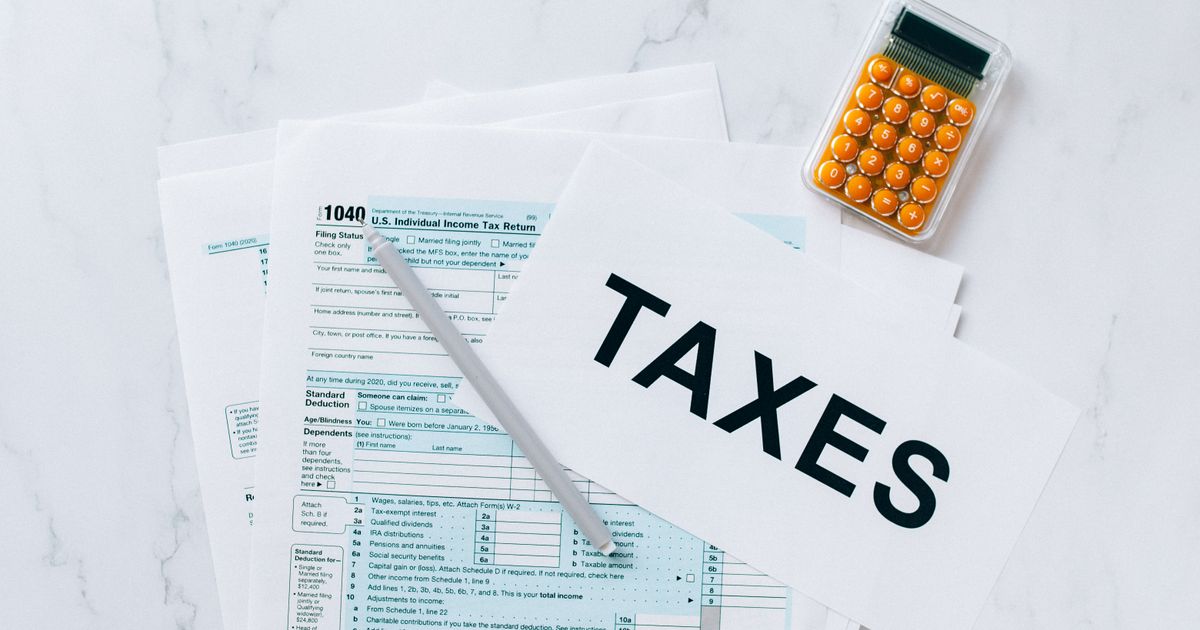 Photo: Nataliya Vaitkevich on Pexels (free licence)
PAYE is worked out on your taxable income, after rebates and credits. Two things most salaried South Africans can change are what goes into a retirement fund and the medical aid credit they claim. Both are in the SARS tables for the 2027 tax year (1 March 2026 to 28 February 2027).
Try your own salary
The figures update from the same SARS 2026/27 tables as the take-home pay calculator. The chart runs the same contribution for up to 30 years: what the retirement fund could grow to, and how much of it SARS paid for. For a fuller projection use the retirement savings calculator.
1. Medical aid: a tax credit, not a deduction
- R376 a month each for you and your first dependant, R254 for every other dependant (SARS, 2026/27). A family of four on a scheme gets R1 260 a month off their tax.
- It is a credit off the tax itself, so it is worth the same rand amount whatever your tax bracket.
- Out-of-pocket medical costs above a threshold can earn an additional medical expenses tax credit at assessment - see the medical aid tax credit calculator.
- Make sure your employer has the right number of people on your scheme: if not, you get the difference back on assessment, not every month.
2. Retirement fund contributions: up to 27.5% off your taxable income
- Pension, provident and retirement annuity (RA) contributions are deductible up to 27.5% of the higher of your remuneration or taxable income, and up to an annual rand cap. Anything above the limit is carried forward to later years.
- The deduction saves tax at your marginal rate: at 36%, R5 000 a month into an RA costs you R3 200 after the tax you no longer pay.
- Your employer can give you the benefit monthly through PAYE if the RA is paid through payroll; otherwise you get it back when you file - the tax refund calculator estimates it. Check the RA tax back calculator.
R350 000 or R430 000? What we found.
- Budget 2026 raised the annual cap from R350 000 to R430 000 from 1 March 2026.
- The increase was left out of the Rates and Monetary Amounts and Amendment of Revenue Laws Act gazetted on 1 April 2026, which is why some SARS pages and older guides still show R350 000.
- National Treasury and SARS have since confirmed the R430 000 cap applies from 1 March 2026 and SARS updated its systems (reported by Moonstone, 14 May 2026, quoting the Institute of Retirement Funds Africa; payroll body PAGSA reports the same SARS confirmation).
- Not verified from a primary source: on 15 October 2026 we did not find a SARS page or a gazetted Act that prints R430 000. CalcSA uses R430 000; the cap only matters if you contribute more than R350 000 a year. We will re-check when the 2026 Taxation Laws Amendment Act is promulgated.
3. Share options, shares and dividends
- Employee share schemes are taxed as salary when the shares vest. Under section 8C of the Income Tax Act the gain on vesting is income at your marginal rate (up to 45%), and your employer withholds PAYE on it.
- After vesting, growth is a capital gain: 40% of the gain is included in your income, after the R50 000 annual exclusion - an effective top rate of 18%. The capital gains tax calculator works it out.
- Dividends are taxed at a flat 20%, withheld before they reach you. Dividends inside a tax-free savings account are exempt - see the dividends tax calculator.
- Paying yourself dividends from your own company is not tax-free: the company pays 27% on its profit, then 20% dividends tax on what is left - 41.6% in total (27% + 20% x 73%), against a top personal rate of 45%. Below the top bracket a salary is usually cheaper.
- Saving outside a fund instead? The RA or TFSA calculator compares the RA tax break with a tax-free savings account.
Your take-home pay, live
Sources
- SARS, rates of tax for individuals, 2027 tax year (brackets, rebates, medical scheme fees tax credit R376 / R376 / R254): sars.gov.za, checked by CalcSA 15 October 2026.
- Retirement deduction cap: Budget 2026; Moonstone, 14 May 2026 (secondary source - see the note above).
- Dividends tax 20% and the TFSA exemption: SARS dividends tax. Company tax 27%: SARS rates of tax for companies.
- Section 8C and the CGT inclusion rate: Income Tax Act s8C and the Eighth Schedule; the 40% inclusion and R50 000 exclusion are the SARS 2026/27 figures used by the CalcSA CGT calculator. The s8C summary was not re-read against SARS guidance for this post.
- Fund growth in the chart is your assumption (the slider), not a forecast.
Calculators used in this post
← All posts · Open the Take-home pay calculator