· Built around the Salary increase calculator
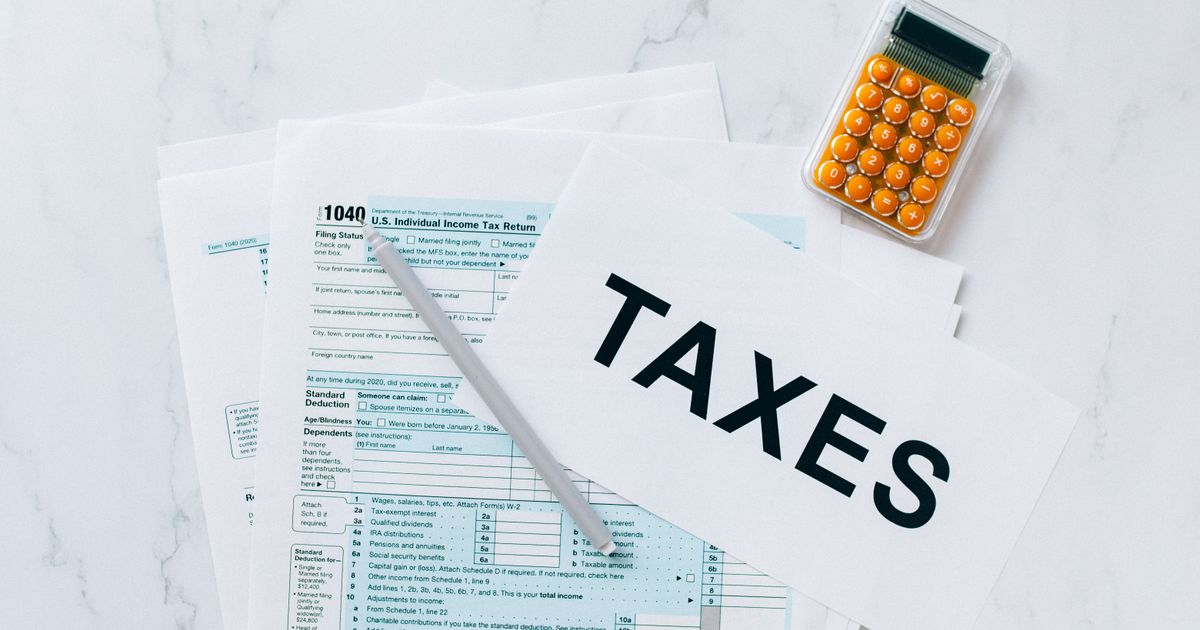 Photo: Nataliya Vaitkevich on Pexels (free licence)
The increase letter gives a percentage of your gross salary. What lands in your account is smaller, because the extra is taxed at your top (marginal) rate - and the real question is whether it keeps up with prices.
Your raise after PAYE and UIF
Type your current gross monthly salary and the percentage you were offered into the salary increase calculator. It works out PAYE and UIF on the SARS 2026/27 tables before and after, so you see the change in take-home pay.
The example: R30 000 + 6% = R31 800 gross. Take-home goes from R25 141.88 to R26 473.88 - R1 332 a month more, R15 984 a year. UIF is already at its R177.12 cap, so the R468 difference is all PAYE: 26% of the raise, your marginal rate. Earn more and the share rises to 31%, 36%, 39%, 41% or 45%.
Does it beat inflation?
Stats SA's headline CPI was 4.5% for September 2026. The real increase is (1 + raise) / (1 + inflation) - 1, so 6% works out to 1.06 / 1.045 - 1 = 1.44% in real terms. A 4.5% raise only keeps you where you were; 4% is a small pay cut. See where prices are heading with the inflation calculator.
Working back from two payslips
If you only have the old and new amounts, the percentage increase calculator gives the percentage: R28 500 to R30 210 is R1 710 more, and R1 710 / R28 500 x 100 = 6.00%. Use gross amounts to compare with the letter, net amounts to see what changed in your pocket.
Related sums
Sources
- PAYE tables, rebates and UIF (1% to R177.12 a month) for 2026/27: SARS tax tables for the 2027 year of assessment, as built into CalcSA's take-home pay calculator.
- Headline CPI 4.5% year on year, September 2026: Stats SA, Consumer Price Index P0141, September 2026 (released 21 October 2026).
- Worked example: R30 000 + 6% on the 2026/27 tables, under 65, no medical aid - CalcSA's salary increase calculator, checked in PowerShell.
Calculators used in this post
← All posts · Open the Salary increase calculator